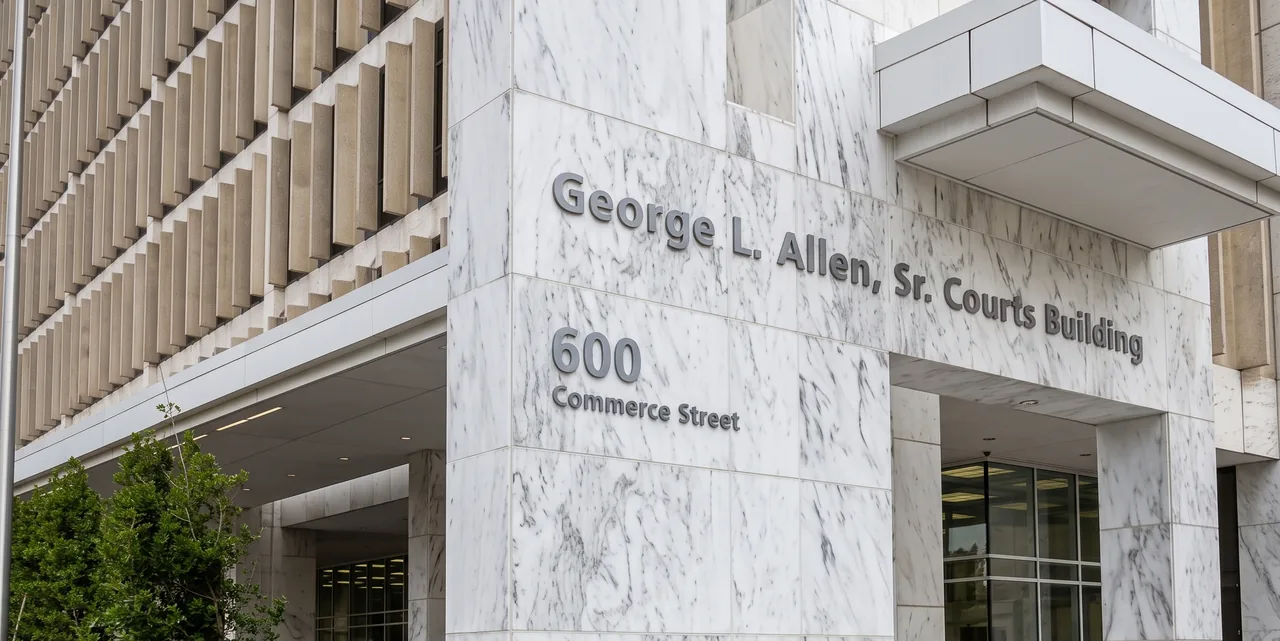

George Allen Sr. Courts Building in Dallas, Texas

Serving Irving · Dallas County

Irving Probate Attorney

Irving probate is filed with the Dallas County Clerk and heard at 600 Commerce Street, about eleven miles east. Kyle Robbins handles it on a flat fee for uncontested matters and almost entirely online, including when there is no will and the heirs are scattered.

“When there is no will, the court has to be told who the family is. That is the whole case, and it is why dying without one costs more in Dallas County than almost anywhere in Texas.”

Kyle Robbins, Esq.

Founder, Dallas Probate Attorney

Kyle Robbins, Dallas Probate Attorney serving Irving

Kyle Robbins, Esq.

Probate Attorney

  • Dallas County’s 3 probate courts
  • Flat-fee pricing
  • Handled remotely
  • Free consultation
Get Probate Help Now
State Bar of Texas #24105719  ·  UT School of Law  ·  Avvo 10.0  ·  Thousands of probate cases

Probate Help

Need to Probate an Estate in Irving?

If you have lost a loved one and need to open probate, transfer a home, or settle an estate in Irving, we handle the entire process, mostly online and on a flat fee, so most families never set foot in the courthouse. Tell us what happened and we will explain exactly what applies and what it costs, at no charge.

Probate for Irving Families

If you have lost someone in Irving and need to transfer a house, reach an account, or find out whether you even need to go to court, Dallas probate attorney Kyle Robbins can help. Probate is the whole practice, uncontested matters are handled on a flat fee, and most of a Dallas County case runs by phone, email and electronic filing.

Irving sits entirely in Dallas County, so your case goes to one of the county’s three statutory probate courts at 600 Commerce Street, assigned at filing. With roughly 255,000 residents, Irving sends more probate cases downtown than almost any other city in the county, and the single most common version of it is the one nobody planned for.

No Will Is the Default Here, Not the Exception

Most people die without a valid will. That is true across Texas and it is true in Irving, and it changes what has to happen next in a way families do not expect.

Without a will, nobody is named to act and nobody is presumed to inherit. Texas Estates Code Chapter 201 sets out who takes what, and the answers are frequently counterintuitive: a surviving spouse does not automatically take the house, children from an earlier relationship change the split, and half-siblings inherit differently from full siblings. Before any of that can reach a deed, a court has to declare who the heirs are.

That proceeding is a determination of heirship, and in Dallas County it carries a cost the rest of the state does not. The Estates Code makes the appointment of an attorney ad litem discretionary. The Dallas County probate courts have decided one must be appointed in every heirship. So every Irving heirship includes a court-appointed attorney whose job is to go find and represent heirs nobody has identified, at a $600 deposit on top of the $360 filing fee, and the weeks that investigation takes.

It is a defensible local rule. It is also the clearest reason to probate a will while the window is open: Texas Estates Code Section 256.003 generally bars admitting a will after the fourth anniversary of death, and once that door closes the heirship route with its ad litem is usually what is left.

Heirs in Three Countries

Irving is one of the most internationally diverse cities in Texas, and that shows up directly in the probate file. A meaningful share of Irving estates have heirs who live outside the United States, or assets that do, or a family history recorded in documents issued by another government.

None of that is a barrier. It is a records problem, and records problems are solvable if you start early. The ad litem will want a documented chain: marriages, divorces, births, deaths. Foreign certificates are acceptable, with a translation where the original is not in English. Heirs abroad can be served and can give testimony or sign waivers remotely, without flying in.

The one thing that reliably costs months is waiting for the ad litem to ask. We start assembling the family record before the application is filed, so the ad litem’s investigation confirms what is already in the file instead of starting from nothing.

The House, and the Lender Who Does Not Know Yet

In most Irving estates the house is the estate. The median Irving home is worth around $287,000 and about a quarter of owner-occupied homes here have a householder aged 65 or older, per the American Community Survey 5-Year 2023, which is the profile of a city where a great many homes are still held by the people who bought them. When one of those owners dies, the estate is usually asset rich and cash poor: equity in a house, and not much liquid to carry it.

The mistake that costs families real money is going quiet on the mortgage servicer. The loan does not die with the borrower and it does not pause for probate. Payments keep coming due, late fees accrue, and a servicer with no information eventually starts default proceedings against a house nobody yet has authority to sell.

What works instead is to engage the servicer early, with documents. The death certificate establishes what happened. A signed sale contract, which you can put in place before the court appoints anyone, shows the loan is going to be paid. Letters testamentary, usually issued within a few weeks of filing, show who can sign the closing. With those three things a servicer will generally hold off, and many will grant a short forbearance. We keep the payment current from estate funds where there are any, and reimburse it from proceeds at closing where there are not.

The sequence matters more than the speed. You cannot close before the court appoints a representative, because until then nobody can pass clear title, but you can be fully under contract and waiting.

What the First Call Covers

We will ask what the person owned, whether there is a will, and who survived them. From that we can usually tell you which of five procedures fits, whether you need a court at all, and what the realistic total is, including the county’s own costs. If a cheaper route works, that is the one we will tell you about. The call is free and we will tell you if you do not need us.

Kyle Robbins, probate attorney

Meet Kyle Robbins

Kyle Robbins is a Texas probate attorney and the founder of Robbins Estate Law. He earned his law degree with honors from the University of Texas School of Law, and his firm has guided thousands of Texas families through probate.

Kyle Robbins’ Dallas Probate practice exists because probate is its own discipline. It runs on the Texas Estates Code, on deadlines that begin at the date of death, and in Dallas County’s statutory probate courts. This practice is limited to those matters, the ones that arise after someone has died. Planning work is handled separately at Robbins Estate Law, which is why probate is the only thing you will find here.

For Irving families, that means flat-fee pricing on uncontested matters and a process handled largely remotely, so most families never need to visit a courthouse. More about Kyle Robbins.

J.D., University of Texas School of Law  ·  State Bar of Texas #24105719  ·  Avvo 10.0  ·  Justia Lawyer

Irving Probate Questions

Generally no. Until the court appoints an executor or administrator, no one has the legal authority to pass clear title, so a Irving home cannot close before probate opens. But you are not stuck waiting: you can put the house under contract right away, and that signed contract becomes real leverage with the mortgage company.

Here is how we move a Irving sale forward:

  • Get multiple offers within 24 hours and go under contract as-is, then show that contract to the mortgage servicer.
  • Once the court issues Letters Testamentary or Letters of Administration, usually within a few weeks, an independent executor can sign the closing documents and sell, without waiting for the full estate to close.
  • Cover the mortgage in the meantime: keep paying it (reimbursed from the sale proceeds at closing) or request a short forbearance, backed by the death certificate, the Letters, and the signed contract.
  • At closing, the lender is paid its payoff first and the remaining equity flows to the estate.

The one thing not to do is go quiet on the lender. We coordinate the court, the lender, and the sale so nothing slips into default.

It passes by statute, not by anyone's choice. Texas Estates Code Chapter 201 sets the order, and the result depends on whether he was married and whether the children are from that marriage. A common outcome surprises people: where there is a surviving spouse and children from a previous relationship, the spouse keeps a one-half interest in the community property and a life estate in part of the separate property, while the children take the rest. Nobody inherits the whole house by default.

The practical problem is that a deed cannot be changed on the strength of that statute alone. A court has to declare who the heirs are first, through a determination of heirship, or in narrower cases an affidavit of heirship or a small estate affidavit will do it. We work out which route your facts actually support rather than filing the cheapest one and having it bounce.

Because of a Dallas County local practice. The Texas Estates Code makes the appointment of an attorney ad litem in a heirship determination discretionary statewide. The Dallas County probate courts have determined that one must be appointed in every case, so an ad litem is not optional here.

In hard numbers that means a $600 ad litem deposit on top of the $360 filing fee before anything else, plus the weeks the ad litem needs to investigate and report. A quote built on statewide assumptions will be short. This is also the strongest practical argument for probating a will while you still can: a will admitted inside the four-year window under Texas Estates Code Section 256.003 avoids the heirship route entirely.

No, and it is common in Irving. It does change the work. The attorney ad litem's job is to investigate and report on unknown or absent heirs, so the court is going to want a documented family history: marriages, divorces, children, and deaths, supported by records rather than recollection. Foreign records are usable, and where a document is not in English the court will expect a translation.

Heirs abroad do not have to travel. They can be served, and their testimony or waivers can be taken remotely. Plan for the timeline to run longer than a domestic case, because collecting foreign records is the slow part, and start collecting them before the application is filed rather than after the ad litem asks.

All of Irving is inside Dallas County, so the case is filed with the Dallas County Clerk's probate division and assigned at filing to Probate Court No. 1, No. 2, or No. 3. All three sit on the 7th floor of the George Allen Sr. Courts Building at 600 Commerce Street, about eleven miles from central Irving.

That is worth knowing because several of Irving's neighbors are not so simple. Grand Prairie straddles Dallas, Tarrant and Ellis counties, and Garland spans Dallas, Collin and Rockwall. Venue follows domicile under Texas Estates Code Section 33.001, so for those families the street address decides the courthouse. For an Irving address it does not: the answer is always Dallas County.

Often, and it is worth checking before anyone files anything. Where there is a will and no unpaid debt other than one secured by real estate, muniment of title is the fastest route through a Texas probate. Where there is no will, Chapter 205 allows a small estate affidavit if the assets other than homestead and exempt property do not exceed $75,000, the assets exceed the known liabilities, and a judge approves it. For a homestead specifically, an affidavit of heirship can sometimes clear title without a court proceeding at all, though title companies vary on whether they will accept one.

Each of these has conditions that a quick internet read tends to drop. Tell us what the estate holds and who survived, and we will tell you the cheapest route that will actually work.

Uncontested matters are handled on transparent flat fees, quoted before we start, so there is no hourly meter on a routine administration. Contested matters are billed hourly because the scope depends on the other side.

Dallas County court costs are separate and are the county's: $360 to file, plus the $600 ad litem deposit in any heirship. We will tell you on the first call which procedure fits and what the total is likely to be, at no charge.

Talk to a Dallas County Probate Attorney

Free consultation, no obligation. Most Irving probate matters are handled remotely, so you may never need to visit a courthouse.

By submitting this form, you agree to be contacted about your probate matter.

Submission of this form does not establish an attorney-client relationship. Information submitted is not privileged or confidential.

Attorney Advertising. The information on this page is for general informational purposes and does not constitute legal advice. Every case is unique, contact us for guidance specific to your situation. Past results do not guarantee future outcomes.

Call (214) 974-3247 Get Help Now