Powered by Kyle Robbins, Esq., founder of Robbins Estate Law
Dallas Probate Attorney
Protecting your family through Dallas County probate
Losing someone you love is tough enough. The legal process that follows should not add to the weight you are already carrying. We help Dallas County families through probate one clear step at a time, so you always know what comes next.
Many uncontested Dallas County matters can be handled by video appearance. Whether you are across town or across the country, you may never need to visit the courthouse.
Don't fight airports. Don't fight traffic.
Remote Availability
Do I Need Probate?
Answer 3 quick questions to find out if your situation requires probate in Dallas County.
What happened?
Where are the assets located?
How soon do you need to act?
Before you file
In Texas, probate almost always requires a lawyer
An executor acts for the estate’s heirs and creditors. Because of this, filing without an attorney counts as practicing law without a license. The only exception is if you are the sole beneficiary with a simple case.
Even then, going alone is rarely a good idea. Executors are personally responsible for the estate. One missed deadline or mistake can delay probate for months. It will cost much more than you saved.
The main goal is finding the right attorney. Probate is the only thing we do at Kyle Robbins’ Dallas Probate law firm. It is not an extra service next to family law or injury law.
Schedule a free consult with Kyle →
Probate Practice Areas
Independent Administration
Full probate when a will names an independent executor. The most common path in Texas.
Learn More →Muniment of Title
Simplified probate to transfer property when there are no debts. Fast and cost-effective.
Learn More →Small Estate Affidavit
For estates under $75,000 with no real property. Avoids formal probate entirely.
Learn More →Affidavit of Heirship
Establishes legal heirs when someone dies without a will. Used to clear real property title.
Learn More →Intestate Succession
When someone dies without a will, Texas law determines who inherits. We protect your share.
Learn More →Will Contest
Challenging a will based on undue influence, lack of capacity, or improper execution.
Learn More →Estate Litigation
Disputes among heirs, beneficiaries, and fiduciaries. Protecting your inheritance in probate court.
Learn More →Trust Administration
Guidance for trustees on fiduciary duties, distributions, and compliance.
Learn More →Breach of Fiduciary Duty
Holding executors and trustees accountable for mismanagement of estate assets.
Learn More → GuideDallas County Probate Process
Your complete guide to navigating probate through Dallas County's three probate courts.
Read the Guide →How It Works
Free Consultation
Call, or send a request through the site. We assess your situation for free.
Strategy
We build your custom probate strategy.
Filing
We handle all court filings and appearances.
Resolution
Case closed. Assets distributed. You move forward.

Your Attorney
Kyle Robbins, Esq.
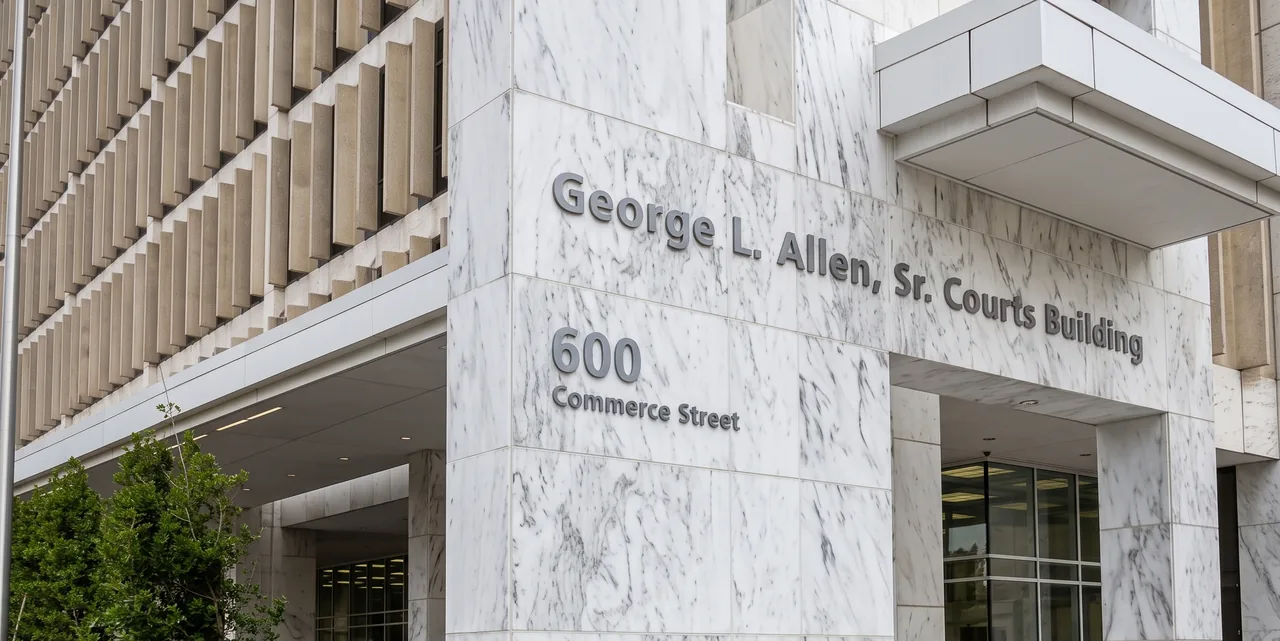
Kyle Robbins is a Texas probate attorney and the founder of Robbins Estate Law. Dallas Probate Attorney is his Dallas County probate practice, and probate is all it does. He guides Dallas County families through it with a strategic, client-first approach, from a straightforward muniment of title to a complex estate dispute. Most of the work is handled remotely. You get experienced probate counsel without the drive downtown to 600 Commerce Street.
- University of Texas School of Law
- State Bar of Texas
- Justia Lawyer
- Avvo 10.0 Rating
Probate Resources
Does Your Estate Qualify for a Small Estate Affidavit in Dallas County?
Nov 19, 2026
Read More → GuidesWhat Do You Do With a Transfer on Death Deed After the Owner Dies in Dallas County?
Nov 19, 2026
Read More → ProceduresWho Pays for an Attorney Ad Litem in Dallas County, TX?
Nov 19, 2026
Read More →Don't Wait. Probate Deadlines Matter
Texas law requires probate applications to be filed within four years. The sooner you act, the smoother the process.
Frequently Asked Questions
Generally no. Until the court appoints an executor or administrator, no one has the legal authority to pass clear title, so the home cannot close before probate opens. But you are not stuck waiting: you can put the house under contract right away, and that signed contract becomes real leverage with the mortgage company.
Here is how we move it forward:
- Get multiple offers within 24 hours and go under contract as-is, then show that contract to the mortgage servicer.
- The Dallas County court usually issues Letters Testamentary or Letters of Administration within a few weeks. An independent executor can then sign the closing documents and sell, without waiting for the full estate to close.
- Cover the mortgage in the meantime. Keep paying it and get reimbursed from the sale proceeds at closing, or request a short forbearance backed by the death certificate, the Letters and the signed contract.
- At closing, the lender is paid its payoff first and the remaining equity flows to the estate.
The one thing not to do is go quiet on the lender. We coordinate the court, the lender, and the sale so nothing slips into default.
Dallas County has three statutory probate courts. All three sit on the 7th floor of the George Allen Sr. Courts Building at 600 Commerce Street. You file with the Dallas County Clerk and the case is assigned to one of them.
- Probate Court No. 1, Judge Julia R. Malveaux, Suite 100.
- Probate Court No. 2, Judge Ingrid M. Warren, Suite 200.
- Probate Court No. 3, Judge Margaret Jones-Johnson, Suite 300.
All three hear the full range of probate matters. Because Dallas has statutory probate courts, the constitutional county court does not hear probate at all.