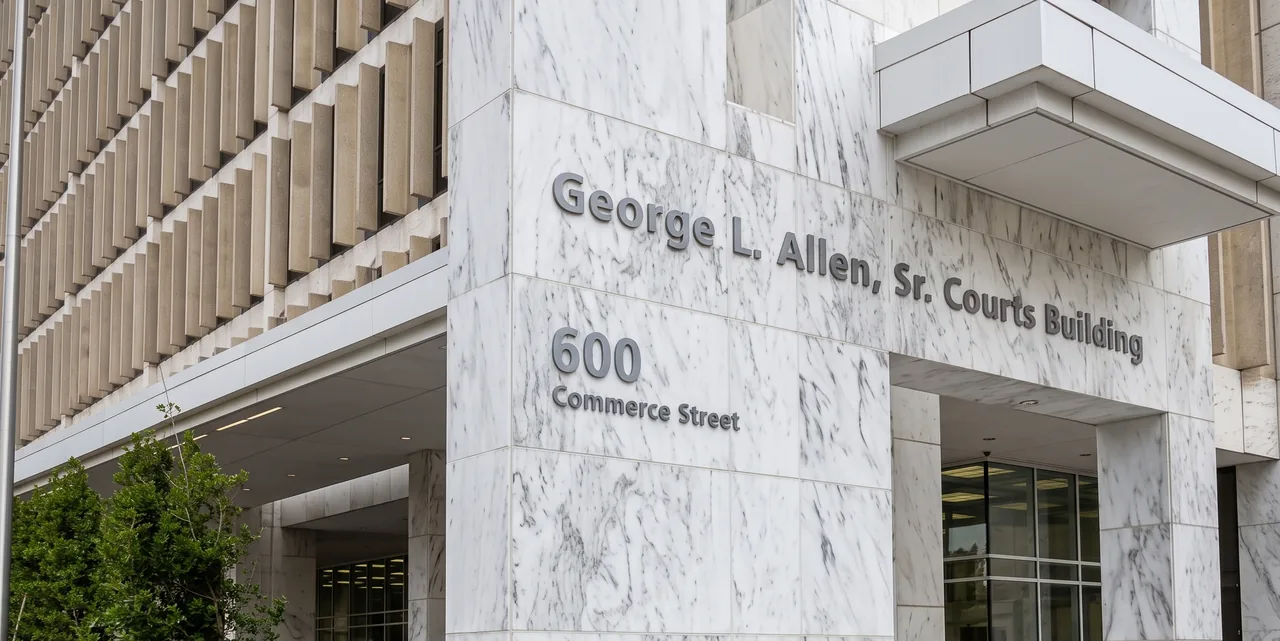

George Allen Sr. Courts Building in Dallas, Texas

Serving Highland Park · Dallas County

Highland Park Probate Attorney

A Highland Park estate is filed in one of Dallas County's three statutory probate courts at 600 Commerce Street, four miles south. The harder question is rarely the drive. It is whether the trust everyone assumed was handling this was ever actually funded.

“The most expensive probate I see is the one a family thought they had already avoided.”

Kyle Robbins, Esq.

Founder, Dallas Probate Attorney

Kyle Robbins, Dallas Probate Attorney serving Highland Park

Kyle Robbins, Esq.

Probate Attorney

  • Dallas County’s 3 probate courts
  • Flat-fee pricing
  • Handled remotely
  • Free consultation
Get Probate Help Now
State Bar of Texas #24105719  ·  UT School of Law  ·  Avvo 10.0  ·  Thousands of probate cases

Probate Help

Need to Probate an Estate in Highland Park?

If you have lost a loved one and need to open probate, transfer a home, or settle an estate in Highland Park, we handle the entire process, mostly online and on a flat fee, so most families never set foot in the courthouse. Tell us what happened and we will explain exactly what applies and what it costs, at no charge.

Contested Estate

Is a Highland Park Estate Being Contested?

If you believe a Highland Park will or trust does not reflect what your loved one intended, or an executor or trustee is not acting honestly, we represent heirs, beneficiaries, and fiduciaries in contested estates in the Dallas County probate courts. Talk it through with us first, confidentially and at no charge.

Probate and Estate Disputes for Highland Park Families

If you have lost a parent or a spouse in Highland Park and now have to settle the estate, or you are watching someone else settle it badly, Dallas probate attorney Kyle Robbins can help. Probate is the entire practice here, from routine administration through contested estates, and most of a Dallas County matter runs by phone, email and electronic filing.

Highland Park sits entirely within Dallas County, which removes the question that occupies families in the suburbs on the county edges. Your case goes to one of the county’s three statutory probate courts at 600 Commerce Street, four miles from Highland Park Village, and it is assigned at filing. What is left is the part that actually decides how long this takes and what it costs.

The Trust Everyone Assumed Was Handling It

There is a settled belief in the Park Cities that estates here are wrapped in trusts and skip the courthouse. The documents usually do exist. The funding often does not.

A revocable living trust controls only what was retitled into its name. If the deed to the house on Beverly Drive still reads in two individual names, that house is not in the trust, and no language in the trust document changes that. The same is true of a brokerage account that was opened before the trust and never reassigned, an old certificate of deposit, a mineral interest inherited from a grandparent, or a vehicle. Those assets pass under the will, and a will does not avoid probate. It directs it. It still has to be admitted by a Dallas County probate court before the executor has authority to sign anything.

So the typical Highland Park matter is not exotic, and it is not the clean trust handoff the family expected. It is a partially funded plan: a trust holding some of it, a will controlling the rest, and an executor who needs letters testamentary before a transfer agent or an out-of-state bank will move an account. We sort out which assets sit where, run the probate on the assets that need it, and administer the trust alongside it.

Why Value Changes the Risk, Not the Procedure

The procedure for a $4 million estate and a $400,000 estate is substantially the same. The exposure is not.

Two things scale with the size of the estate. The first is disclosure. The inventory, appraisement and list of claims is a public filing by default, and for a family whose assets include a home well into seven figures, a closely held business interest or a collection worth naming, that is a real consequence of an otherwise routine step. The affidavit in lieu of inventory under Texas Estates Code Section 309.056 is the tool for it, and it is narrower than the internet suggests.

The second is conflict. An estate worth contesting gets contested more often, and the features that make Park Cities estates valuable are the same ones that make them fragile: blended families, unequal treatment of children, business interests held with partners, and assets that are genuinely hard to appraise. Those matters become will contests, breach of fiduciary duty claims and estate litigation.

Proximity Is Not the Variable Here

Highland Park has no shortage of nearby lawyers, and everyone filing a Dallas County probate uses the same three courts and the same clerk. Being close to 600 Commerce Street is not a qualification.

What differs is volume and focus: how many of these the attorney has actually run, whether probate is the practice or one service on a list, and whether they have handled the version of your situation where a beneficiary pushes back and the file has to hold up. If you are the executor or the successor trustee and you are not yet sure which of those you are dealing with, that is the call to make. We will tell you what applies, what it is likely to cost and what happens next, at no charge.

Kyle Robbins, probate attorney

Meet Kyle Robbins

Kyle Robbins is a Texas probate attorney and the founder of Robbins Estate Law. He earned his law degree with honors from the University of Texas School of Law, and his firm has guided thousands of Texas families through probate.

Kyle Robbins’ Dallas Probate practice exists because probate is its own discipline. It runs on the Texas Estates Code, on deadlines that begin at the date of death, and in Dallas County’s statutory probate courts. This practice is limited to those matters, the ones that arise after someone has died. Planning work is handled separately at Robbins Estate Law, which is why probate is the only thing you will find here.

For Highland Park families, that means flat-fee pricing on uncontested matters and a process handled largely remotely, so most families never need to visit a courthouse. More about Kyle Robbins.

J.D., University of Texas School of Law  ·  State Bar of Texas #24105719  ·  Avvo 10.0  ·  Justia Lawyer

Highland Park Probate Questions

It depends entirely on whether the trust was funded. A trust only controls the assets that were actually retitled into its name. If the house deed still reads in your parents' individual names, or a brokerage account was never reassigned, those assets did not go into the trust and they do not pass under it. They pass under the will, which means a Dallas County probate court has to admit the will before anyone can transfer them.

This is the single most common surprise in a Park Cities estate. The documents were drafted properly, sometimes decades ago, and then the funding step was never finished. Bring us the deed and the most recent account statements and we can usually tell you within one call whether you are looking at a probate, a trust administration, or both.

Highland Park sits entirely inside Dallas County, so there is no county line question here the way there is in Garland or Mesquite. The case is filed with the Dallas County Clerk and assigned at filing to Probate Court No. 1, No. 2, or No. 3. All three sit on the 7th floor of the George Allen Sr. Courts Building at 600 Commerce Street, about four miles from Highland Park Village.

You do not get to choose the court. Each judge runs a docket a little differently, and knowing those differences before you file is most of the work. The Dallas County probate process guide covers each one.

Some of it will, and some of it does not have to. In a Texas probate the personal representative normally files a full inventory, appraisement and list of claims with the clerk, and that filing is public. Anyone who pulls the case can read what the estate held and what each item was appraised at.

Texas Estates Code Section 309.056 offers a narrower alternative in an independent administration. If there are no unpaid debts other than secured debts, taxes and administration expenses when the inventory is due, and the beneficiaries have already received a verified, full and detailed inventory directly from the executor, the executor may file a sworn affidavit with the court instead. The affidavit is public. The itemized asset detail is not.

Three limits to know. It is available only in an independent administration. A will can specifically prohibit it. And the deadline does not move: before the 91st day after the representative qualifies, unless the court extends it. Call before that date runs, not after.

Get counsel before you respond to them, and before the executor makes any disclosure. A larger estate gives a disappointed heir a real financial reason to hire a lawyer, and it usually carries the features that produce contests in the first place: a will signed late in life, a second marriage, unequal distributions among children, or a closely held business nobody can value cleanly.

A threat is not a contest, and most of these resolve. But how the executor handles the first filings often shapes the whole case. See will contests and estate litigation.

More than most people are told when they accept. Once you take the role you are a fiduciary under the Texas Trust Code, with duties to account to the beneficiaries, keep trust property separate from your own, avoid conflicts and treat beneficiaries impartially. You can be held personally liable for getting it wrong.

In a family where the numbers are significant, a beneficiary who feels shortchanged has every incentive to test your decisions, and informal record keeping is where trustees get hurt. We guide trustees through the administration and document it so the file holds up. See trust administration.

Uncontested matters are handled on transparent flat fees, so you know the number before we start. Contested matters, meaning will contests and fiduciary disputes, are billed hourly, because the scope depends on what the other side does rather than on anything we control.

We will tell you which category you are in on the first call, at no charge, and we will tell you if you do not need us.

Talk to a Dallas County Probate Attorney

Free consultation, no obligation. Most Highland Park probate matters are handled remotely, so you may never need to visit a courthouse.

By submitting this form, you agree to be contacted about your probate matter.

Submission of this form does not establish an attorney-client relationship. Information submitted is not privileged or confidential.

Attorney Advertising. The information on this page is for general informational purposes and does not constitute legal advice. Every case is unique, contact us for guidance specific to your situation. Past results do not guarantee future outcomes.

Call (214) 974-3247 Get Help Now