
Probate for Addison Families
If you are handling an estate in Addison, Dallas probate attorney Kyle Robbins files in the Dallas County probate courts every week and does nothing else. Uncontested matters are on a flat fee and most of a Dallas County case runs by phone, email and electronic filing.
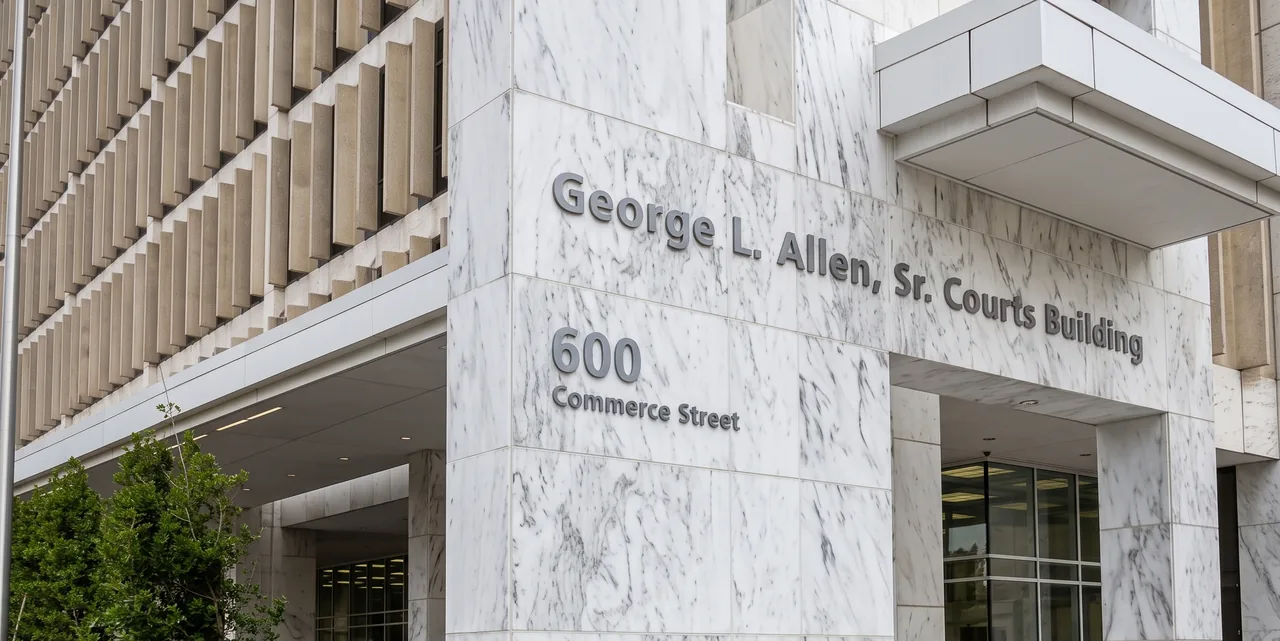
The Town of Addison sits entirely inside Dallas County, so the venue question is closed before it opens. Your case goes to one of the county’s three statutory probate courts at 600 Commerce Street and is assigned at filing. What makes Addison different is not the court. It is what is in the estate.
An Estate Without a Homestead at the Center of It
Addison is four square miles with about 17,000 residents and a daytime population several times that, and its housing is overwhelmingly apartments, condominiums and townhomes rather than single-family homes on lots. Of the owner-occupied homes that do exist here, roughly 37 percent have a householder aged 65 or older, per the American Community Survey 5-Year 2023, which is among the highest shares in Dallas County.
So the typical Addison estate is a small number of owners holding meaningful value in things that are not a family homestead: a condominium at Addison Circle or Vitruvian Park, brokerage and retirement accounts, an interest in a business along Belt Line Road or in the office corridor by the Tollway, sometimes an aircraft hangared at Addison Airport.
That matters because most of the cheap routes through Texas probate are built around a homestead. An affidavit of heirship does its best work on homestead real property. A small estate affidavit counts only non-homestead, non-exempt assets against its $75,000 ceiling, which an estate like this clears immediately. Muniment of title appoints nobody and issues no letters testamentary, and letters are precisely what a brokerage, a plan administrator and a condo association will each demand.
The result is that an Addison estate more often needs a full independent administration than a comparable estate in a neighborhood of paid-off houses. That is not a worse outcome. It is the route that actually gets the accounts opened and the title transferred, and it is still handled on a flat fee when it is uncontested.
When a Business Interest Is in the Estate
A closely held business is the asset most likely to lose value while everyone is being careful, and Addison has a lot of them.
Two documents decide most of this, and neither one is the will. The first is the company’s operating agreement or shareholder agreement. These routinely contain a buy-sell provision that triggers on an owner’s death, sometimes obliging the estate to sell the interest back to the surviving owners at a price set by a formula written years ago. Where such a clause exists, it generally governs, whatever the will says the beneficiaries should receive. The second is the beneficiary designation on any retirement plan or insurance tied to the business, which can move substantial value outside probate altogether.
Where the decedent was the sole owner, the urgent problem is signature authority. No one can bind the company, but payroll runs, vendors invoice, and a landlord expects rent. Getting a representative appointed quickly is the whole job, and we prioritise these accordingly.
Where co-owners disagree with the family about what the agreement requires, that becomes estate litigation or a breach of fiduciary duty claim, billed hourly rather than on a flat fee.
Gather the Beneficiary Designations First
Before you decide whether you need a court at all, find out which assets were never going to pass through one. Retirement accounts, life insurance, annuities and transfer-on-death registrations pass directly to a living named beneficiary and never touch probate.
The trap is a stale designation. A beneficiary who has already died, or a form that was started and never completed, sends the asset back to the plan’s default, which frequently names the estate. The moment an account is payable to the estate it is a probate asset and needs a representative with letters to claim it.
Bring us the statements and the designations and we can usually tell you on the first call whether there is a probate here at all, which procedure fits, and what it will cost. If the answer is that you do not need us, we will tell you that.